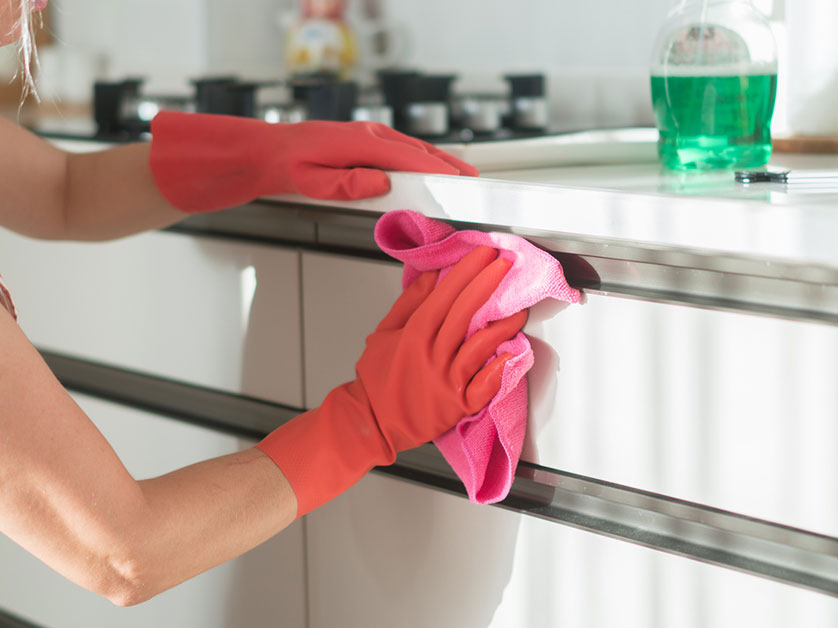
How to clean kitchen cabinets of adhesive grease
Removing sticky grease from kitchen cabinets can be tricky, but with the right techniques and products, you can effectively clean them and restore their appearance. Here’s a step-by-step guide to help you get rid of that stubborn grease:
Materials You’ll Need:
- Dish soap (preferably grease-cutting)
- Warm water
- White vinegar
- Baking soda
- Lemon juice (optional)
- Microfiber cloths or soft sponges
- Soft-bristle brush or toothbrush
- A spray bottle
- All-purpose cleaner or degreaser (optional)
- Olive oil or coconut oil (for wood cabinets)
Step-by-Step Cleaning Process:
1. Create a Cleaning Solution
- Dish soap and warm water: Mix a few drops of grease-cutting dish soap with warm water. This basic solution is often enough for mild grease buildup.
- Vinegar solution: For a stronger cleaner, mix equal parts white vinegar and warm water in a spray bottle. Vinegar’s acidity helps break down grease effectively.
- Baking soda paste: If the grease is thick or old, make a paste with baking soda and water. This mild abrasive can scrub away tough grease without damaging the cabinet surface.
2. Apply the Cleaning Solution
- Spray or wipe the dish soap solution or vinegar solution onto the greasy areas of the cabinets.
- Let it sit for a few minutes to loosen the grease. This step is important, especially if the grease has been there for a while.
3. Scrub the Grease
- Use a soft sponge or microfiber cloth to gently scrub the cabinet surface. Avoid using steel wool or abrasive pads, as they can damage the cabinet finish.
- For hard-to-reach areas or detailed woodwork, use a soft-bristle toothbrush to scrub.
4. Use Baking Soda for Stubborn Grease
- If the grease is still sticky, apply a small amount of the baking soda paste directly onto the greasy spots.
- Gently scrub the area with a sponge or toothbrush in a circular motion. The mild abrasiveness of the baking soda will help lift off the stubborn grease without scratching the cabinet.
5. Rinse and Wipe Clean
- After scrubbing, rinse your sponge or cloth in clean, warm water and wipe down the cabinets to remove any remaining soap or vinegar residue.
- Follow with a dry microfiber cloth to buff the cabinets dry and prevent water spots or streaks.
6. Polish Wood Cabinets (Optional)
- If your cabinets are wood, apply a small amount of olive oil or coconut oil to a clean microfiber cloth and rub it into the surface. This will help restore the natural shine and protect the wood.
- Avoid using too much oil, as it can attract dust and dirt.
Alternative Cleaning Methods:
- Commercial Degreasers: For extremely sticky or stubborn grease, you can use a commercial degreaser, such as Krud Kutter or Goo Gone, which are designed to break down tough grease and grime. Be sure to test in an inconspicuous area first to ensure it doesn’t damage the cabinet finish.
- Lemon Juice: If you prefer a natural solution, mix lemon juice and water (1 part lemon juice to 2 parts water) and use it to wipe down the cabinets. Lemon juice’s natural acidity helps cut through grease while leaving a fresh scent.
Preventing Future Grease Build-Up:
- Wipe cabinets regularly: Clean cabinets with a damp cloth after cooking to prevent grease from building up over time.
- Use kitchen hood or fan: Turn on your kitchen exhaust fan while cooking to help reduce the amount of grease that settles on surfaces.
- Avoid abrasive cleaners: Stick to gentle cleaning solutions to maintain the cabinet finish over time.
By following these steps, your kitchen cabinets will be clean, grease-free, and look as good as new!
