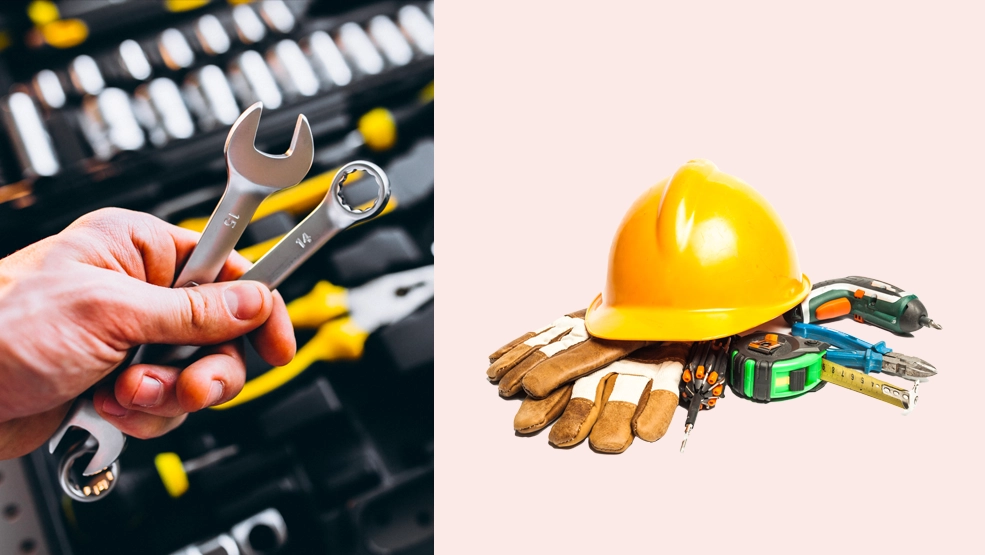
Best practices for maintaining equipment
Effective equipment maintenance is crucial for ensuring operational efficiency, extending equipment lifespan, and minimizing downtime. Here are some best practice tips for equipment maintenance:
1. Develop a Comprehensive Maintenance Plan
- Create a Schedule: Establish a detailed maintenance schedule that includes regular inspections, preventive maintenance, and servicing.
- Include All Equipment: Ensure that all critical equipment is covered in the maintenance plan, including HVAC systems, machinery, vehicles, and electronic devices.
2. Implement Preventive Maintenance
- Routine Inspections: Conduct regular inspections to identify potential issues before they become major problems.
- Scheduled Servicing: Perform scheduled servicing based on equipment usage and manufacturer recommendations.
- Lubrication and Cleaning: Regularly lubricate moving parts and clean equipment to prevent wear and tear.
3. Use a Computerized Maintenance Management System (CMMS)
- Track Maintenance Activities: Use CMMS to track all maintenance activities, schedules, and equipment history.
- Automate Reminders: Set up automated reminders for upcoming maintenance tasks to ensure nothing is overlooked.
- Analyze Data: Use data from the CMMS to identify trends, optimize maintenance schedules, and make informed decisions.
4. Train and Educate Staff
- Technical Training: Ensure that maintenance personnel are properly trained in the operation, maintenance, and troubleshooting of equipment.
- Safety Training: Provide safety training to prevent accidents and ensure compliance with health and safety regulations.
- Regular Updates: Keep staff updated on new maintenance techniques, equipment upgrades, and best practices.
5. Follow Manufacturer Recommendations
- Read Manuals: Always refer to the equipment manufacturer’s manual for specific maintenance guidelines and recommendations.
- Use Recommended Parts: Use parts and supplies recommended by the manufacturer to ensure compatibility and performance.
- Stay Updated: Keep up with any updates or recalls issued by the manufacturer.
6. Implement Predictive Maintenance
- Condition Monitoring: Use sensors and monitoring devices to track the condition of equipment in real-time.
- Data Analysis: Analyze data to predict when maintenance is needed based on equipment performance and usage patterns.
- Proactive Maintenance: Perform maintenance just before equipment is expected to fail, minimizing downtime and extending equipment life.
7. Maintain Proper Documentation
- Record Keeping: Maintain detailed records of all maintenance activities, including inspections, repairs, and parts replacements.
- Maintenance Logs: Keep logs for each piece of equipment, documenting all performed maintenance tasks and observations.
- Compliance Records: Ensure records meet regulatory compliance requirements and can be easily accessed for audits.
8. Establish Clear Communication Channels
- Report Issues Promptly: Encourage staff to report any equipment issues immediately.
- Feedback Loop: Create a feedback loop between operators and maintenance personnel to quickly address recurring issues.
- Communication Tools: Use communication tools like mobile apps or internal messaging systems to streamline reporting and updates.
9. Focus on Safety and Compliance
- Regular Safety Checks: Conduct regular safety checks to ensure equipment is operating safely and within regulatory guidelines.
- Compliance Audits: Perform regular audits to ensure all maintenance activities comply with relevant regulations and standards.
- Safety Protocols: Implement and enforce safety protocols to protect maintenance personnel and equipment operators.
10. Evaluate and Adjust Maintenance Strategies
- Performance Metrics: Regularly evaluate maintenance performance using key metrics such as downtime, repair costs, and equipment availability.
- Continuous Improvement: Use the insights gained from performance evaluations to continuously improve maintenance processes and strategies.
- Flexibility: Be prepared to adjust maintenance schedules and strategies based on changing needs, equipment performance, and technological advancements.
Conclusion
By following these best practice tips for equipment maintenance, organizations can enhance the reliability, efficiency, and longevity of their equipment, ultimately leading to improved operational performance and cost savings.
