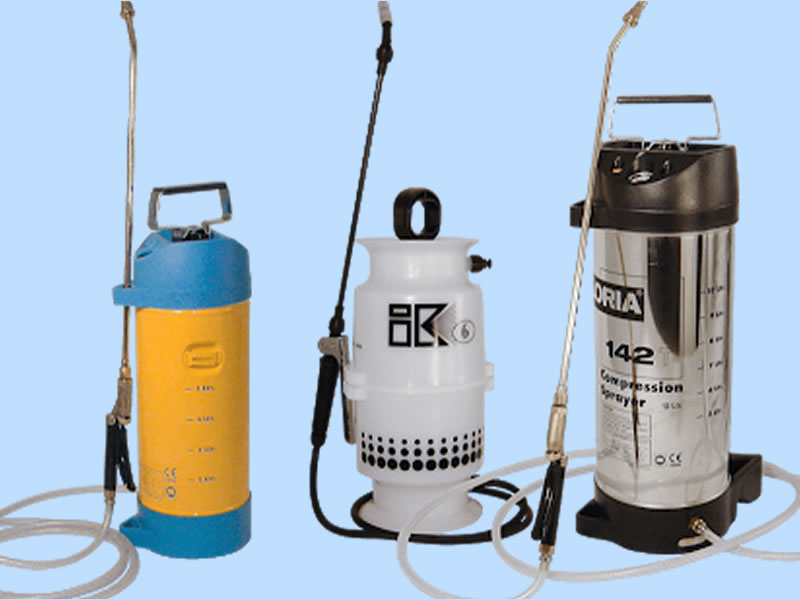
Pest control maintenance
Pest control maintenance is a critical aspect of building maintenance that focuses on preventing, managing, and eliminating pests to ensure a safe, healthy, and comfortable environment. Effective pest control maintenance involves a combination of proactive measures, regular inspections, and responsive actions. Here’s a detailed overview of pest control maintenance:
Importance of Pest Control Maintenance
- Health and Safety: Pests can carry diseases and allergens, posing health risks to occupants.
- Structural Integrity: Some pests, such as termites and rodents, can cause significant damage to the building’s structure and infrastructure.
- Comfort: Pests can create an unpleasant environment for occupants and visitors.
- Compliance: Many health and safety regulations require effective pest control measures.
Types of Pest Control Maintenance
1. Preventive Maintenance
- Description: Proactive measures to prevent pest infestations.
- Activities:
- Sealing cracks and openings in the building’s exterior.
- Installing screens on windows and vents.
- Maintaining proper sanitation practices to eliminate food and water sources for pests.
- Regularly inspecting and cleaning areas prone to pest activity (e.g., kitchens, basements, and storage areas).
- Advantages: Reduces the likelihood of infestations, minimizes the need for chemical treatments, and maintains a healthier environment.
2. Scheduled Inspections
- Description: Regular inspections to identify early signs of pest activity.
- Activities:
- Conducting routine inspections of high-risk areas, such as kitchens, garbage disposal areas, and basements.
- Checking for signs of pest activity, including droppings, gnaw marks, nests, and damaged materials.
- Using monitoring devices like traps and baits to detect pest presence.
- Advantages: Early detection allows for prompt action, preventing infestations from becoming severe.
3. Responsive Maintenance
- Description: Actions taken in response to identified pest activity.
- Activities:
- Applying appropriate treatments, such as insecticides, rodenticides, or traps, to eliminate pests.
- Repairing any damage caused by pests, such as chewed wires or structural damage.
- Conducting follow-up inspections to ensure the effectiveness of treatments and to prevent recurrence.
- Advantages: Addresses and resolves pest issues quickly, minimizing disruption and damage.
4. Integrated Pest Management (IPM)
- Description: A holistic approach that combines multiple strategies to manage pests effectively and sustainably.
- Activities:
- Identifying pests and understanding their behavior and biology.
- Implementing a combination of preventive measures, physical controls, biological controls, and chemical treatments.
- Continuously monitoring pest activity and adjusting strategies as needed.
- Educating occupants about best practices for pest prevention.
- Advantages: Reduces reliance on chemical treatments, promotes long-term pest management, and is environmentally friendly.
Implementation Tips for Effective Pest Control Maintenance
- Develop a Pest Control Plan: Create a comprehensive plan that outlines preventive measures, inspection schedules, and response protocols.
- Engage Professional Services: Work with licensed pest control professionals who can provide expertise and specialized treatments.
- Educate Occupants: Inform building occupants about their role in preventing pests, such as proper waste disposal and sanitation practices.
- Maintain Records: Keep detailed records of inspections, treatments, and pest activity to track trends and evaluate the effectiveness of your pest control program.
- Monitor and Review: Regularly review and update your pest control plan based on inspection findings, treatment outcomes, and evolving pest threats.
Common Pests and Their Control Measures
- Rodents (Rats and Mice): Seal entry points, use traps and baits, maintain cleanliness, and eliminate food sources.
- Insects (Ants, Cockroaches, Flies): Keep areas clean and dry, use insecticides as needed, and eliminate food and water sources.
- Termites: Regular inspections, use of termiticides, and installing physical barriers around the foundation.
- Bed Bugs: Regular inspections, heat treatments, and chemical treatments for infested areas.
- Birds: Install bird spikes or nets, and maintain cleanliness to eliminate food sources.
By implementing a comprehensive pest control maintenance strategy, you can effectively prevent and manage pest infestations, ensuring a safe, healthy, and comfortable environment for building occupants.
