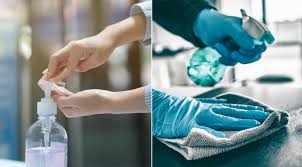
sanitizers and disinfectants
Cleaners and disinfectants play a crucial role in maintaining hygiene and safety in any environment, including commercial buildings, healthcare facilities, and aircraft. Understanding their types, proper usage, and best practices for application can ensure effective cleaning and disinfection. Here’s a comprehensive guide:
Types of Cleaners and Disinfectants
Cleaners
- All-Purpose Cleaners:
- Suitable for a variety of surfaces.
- Effective in removing dirt, grime, and stains.
- Degreasers:
- Designed to remove grease and oil.
- Commonly used in kitchens and industrial settings.
- Abrasive Cleaners:
- Contain fine particles to scrub tough stains and grime.
- Best for hard surfaces like tiles and countertops.
- Enzymatic Cleaners:
- Use enzymes to break down organic matter.
- Ideal for removing protein-based stains like blood and food.
- Acid-Based Cleaners:
- Effective against mineral deposits and rust.
- Used in bathrooms for cleaning tiles and fixtures.
- Alkaline Cleaners:
- Remove heavy soil, fats, oils, and proteins.
- Suitable for kitchen and industrial cleaning.
Disinfectants
- Quaternary Ammonium Compounds (Quats):
- Effective against a broad spectrum of microbes.
- Commonly used in healthcare and food service environments.
- Chlorine-Based Disinfectants:
- Include bleach (sodium hypochlorite).
- Highly effective but can be corrosive and produce fumes.
- Alcohol-Based Disinfectants:
- Typically contain ethanol or isopropanol.
- Effective against bacteria, fungi, and viruses.
- Hydrogen Peroxide:
- Effective against a wide range of pathogens.
- Breaks down into water and oxygen, leaving no residue.
- Phenolic Disinfectants:
- Effective against bacteria and fungi.
- Used in healthcare settings.
- Peracetic Acid:
- Effective against bacteria, fungi, and viruses.
- Often used in food processing and healthcare.
Proper Usage and Application
Cleaning
- Pre-Cleaning:
- Remove loose dirt and debris before applying cleaners.
- Use appropriate tools like brooms, vacuums, and dusters.
- Application:
- Apply the cleaner according to the manufacturer’s instructions.
- Use the right amount and avoid overuse to prevent residue.
- Dwell Time:
- Allow the cleaner to sit for the recommended time to break down soil.
- Follow with scrubbing if necessary.
- Rinsing:
- Rinse the surface with water if required, especially for food contact surfaces.
- Drying:
- Ensure surfaces are dried properly to prevent slips and microbial growth.
Disinfection
- Surface Preparation:
- Clean the surface thoroughly before applying disinfectant.
- Remove all organic matter and dirt.
- Application:
- Apply disinfectant evenly, ensuring full coverage.
- Use spray bottles, wipes, or mops as appropriate.
- Dwell Time:
- Allow the disinfectant to remain wet on the surface for the recommended dwell time.
- This ensures effective microbial kill.
- Rinsing:
- Some disinfectants require rinsing, especially on food contact surfaces.
- Follow the product label instructions.
- Drying:
- Allow the surface to air dry or use clean cloths for drying if needed.
Best Practices for Use
- Read Labels:
- Always read and follow the instructions on the product label.
- Pay attention to safety precautions and proper usage guidelines.
- Personal Protective Equipment (PPE):
- Wear appropriate PPE, such as gloves and masks, when handling cleaners and disinfectants.
- Ensure adequate ventilation when using chemical products.
- Dilution Ratios:
- Follow recommended dilution ratios to ensure efficacy and safety.
- Use measuring devices for accuracy.
- Storage:
- Store cleaners and disinfectants in a cool, dry place away from children and pets.
- Keep containers tightly closed when not in use.
- Compatibility:
- Ensure that the cleaner or disinfectant is compatible with the surface being treated.
- Test on a small area if unsure.
- Environmental Considerations:
- Choose eco-friendly products whenever possible.
- Dispose of chemicals and containers according to local regulations.
Conclusion
Using the right cleaners and disinfectants effectively is crucial for maintaining a clean and safe environment. By understanding the types of products available, following proper application techniques, and adhering to best practices, you can achieve optimal hygiene and safety while minimizing environmental impact.
